Engineering Project · 2025–2026

FlexOppor

Ergonomic On-Site Tool for Women Masons and Helpers — reducing back strain passively, affordably, and sustainably.

~370g
Device Weight
₹650
Total Cost
50–70%
Workers Affected
Add your project image here FlexOppor Device
Executive Summary

A passive biomechanical support system designed for the construction site.

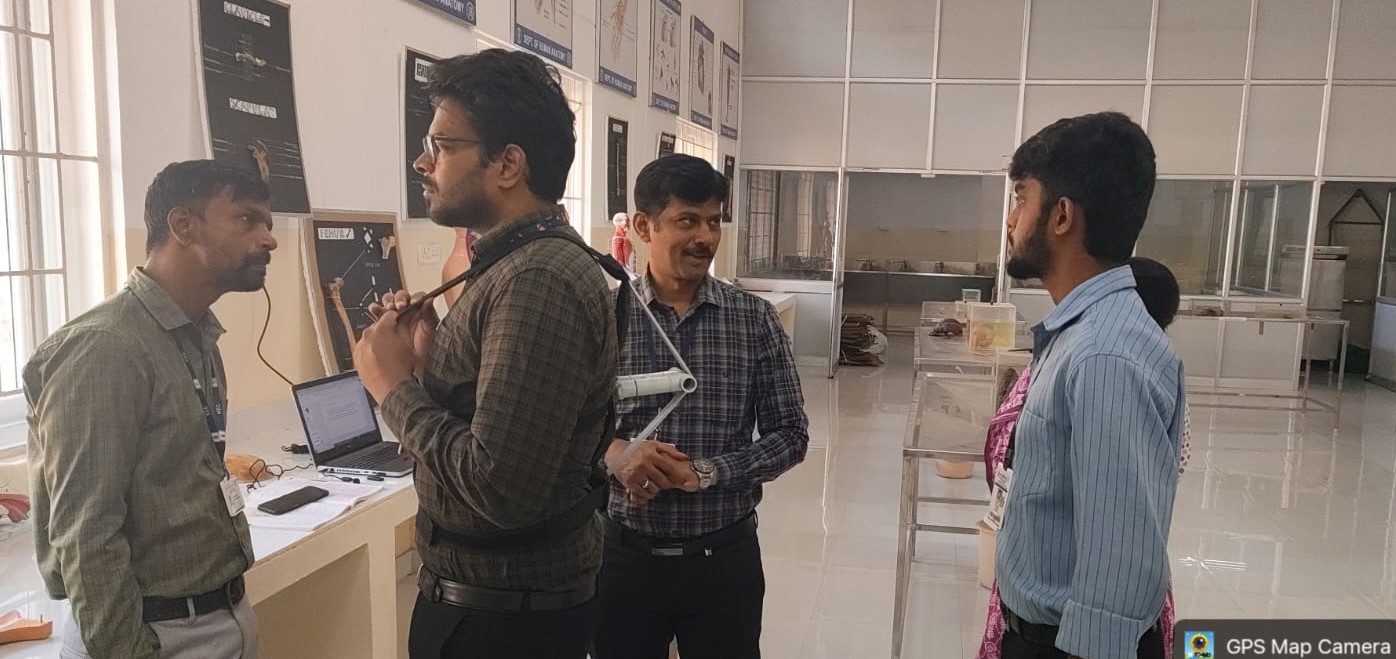
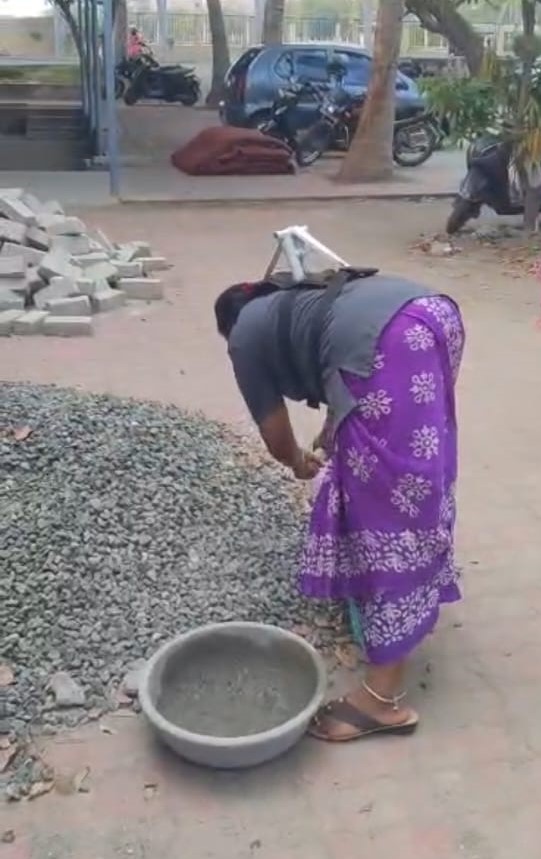
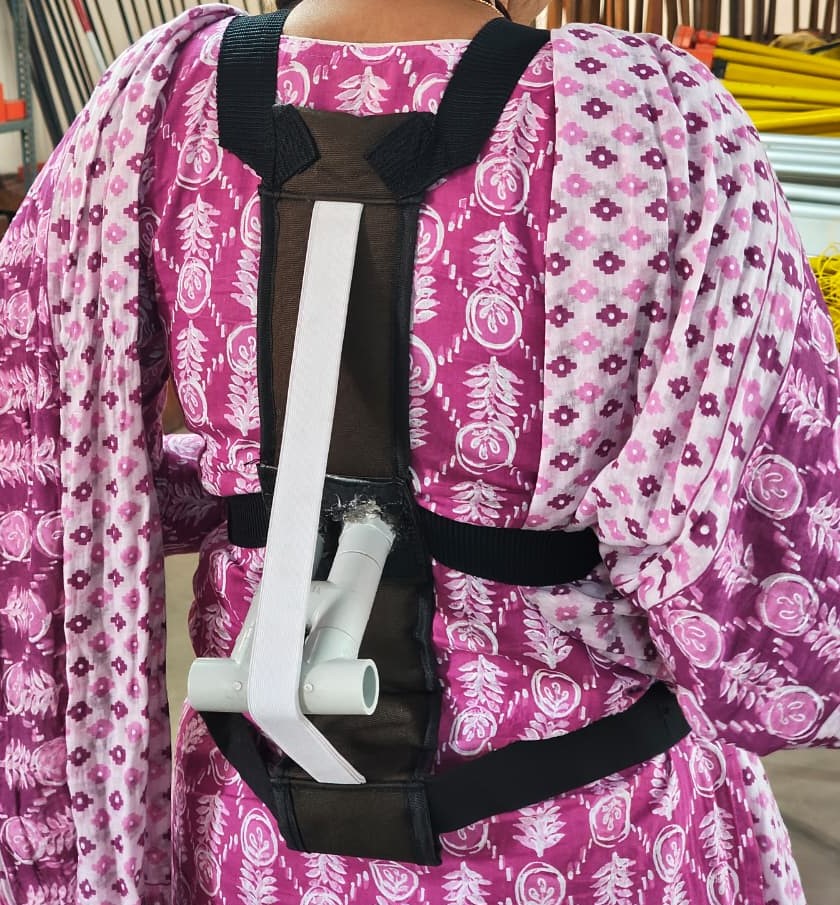
Add project/device image here FlexOppor in use

The FlexOppor System

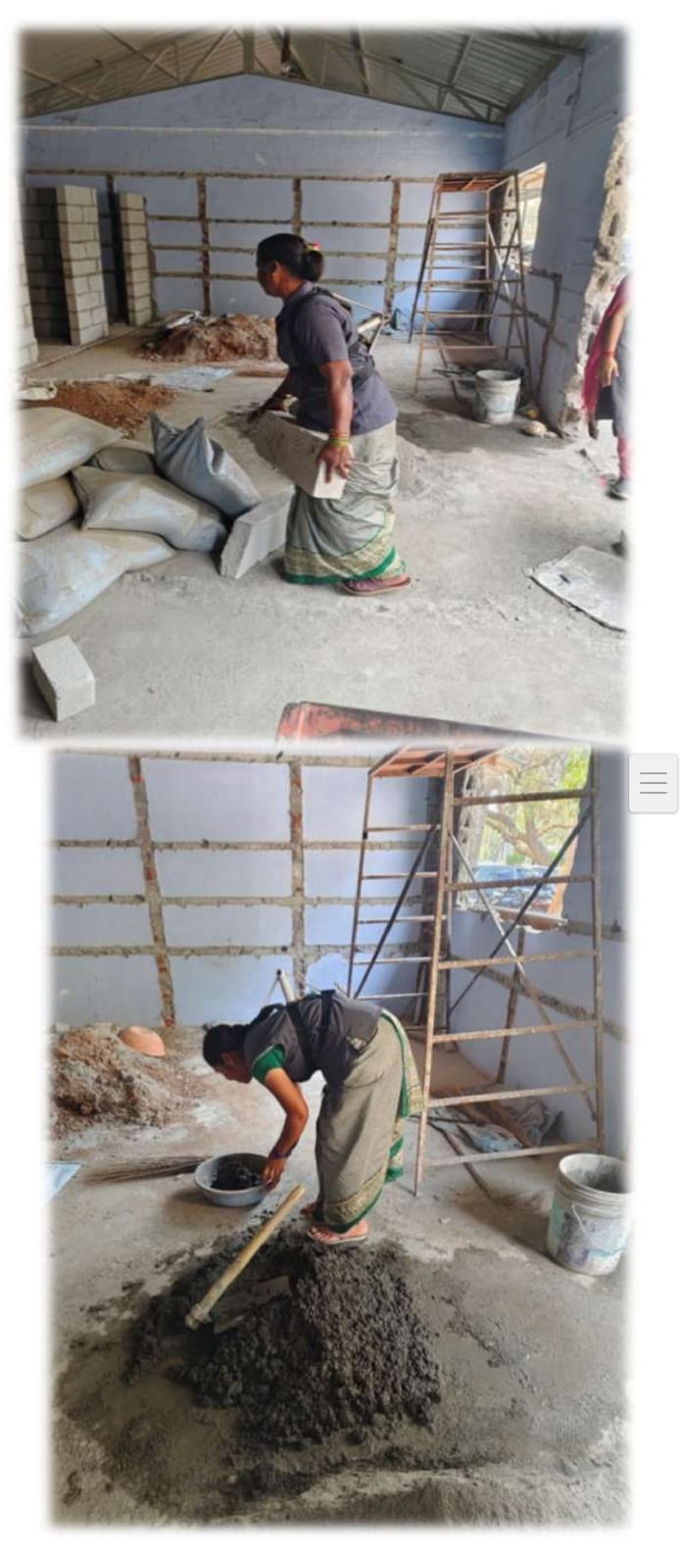
Women construction workers frequently perform bending and lifting tasks such as carrying bricks and mixing mortar, leading to lower back pain and muscle fatigue.

Resists excessive forward bending Assists during lifting

Completely passive — no batteries, no motors, no sensors.

~370g
Weight
₹650–₹800
Cost
3 Vers.
Prototypes

Problem Understanding

Women are a major part of the construction workforce, yet are chronically underserved by ergonomic tools.

Daily Strain Activities

Mixing mortar, carrying bricks, cleaning sites — all involve repeated high-load bending and lifting motions.

50–70% of workers

Suffer from chronic lower back pain due to sustained mechanical load on the spine.

Root Causes

Lower back muscle strain · Reduced muscle endurance · Poor forward posture · Muscle fatigue · Spinal load

Proposed Solution

A biomechanical support system targeting back muscles under high load during daily construction tasks.

Biomechanical Support

Targets back muscles directly to reduce spinal stress during forward bending and lifting cycles.

Resist–Assist Mechanism

Provides controlled resistance while bending forward and release assistance during upward motion.

Elastic Energy Storage

Pre-tensioned elastic elements store energy during bending and release it during lifting — no power needed.

Design & Concept

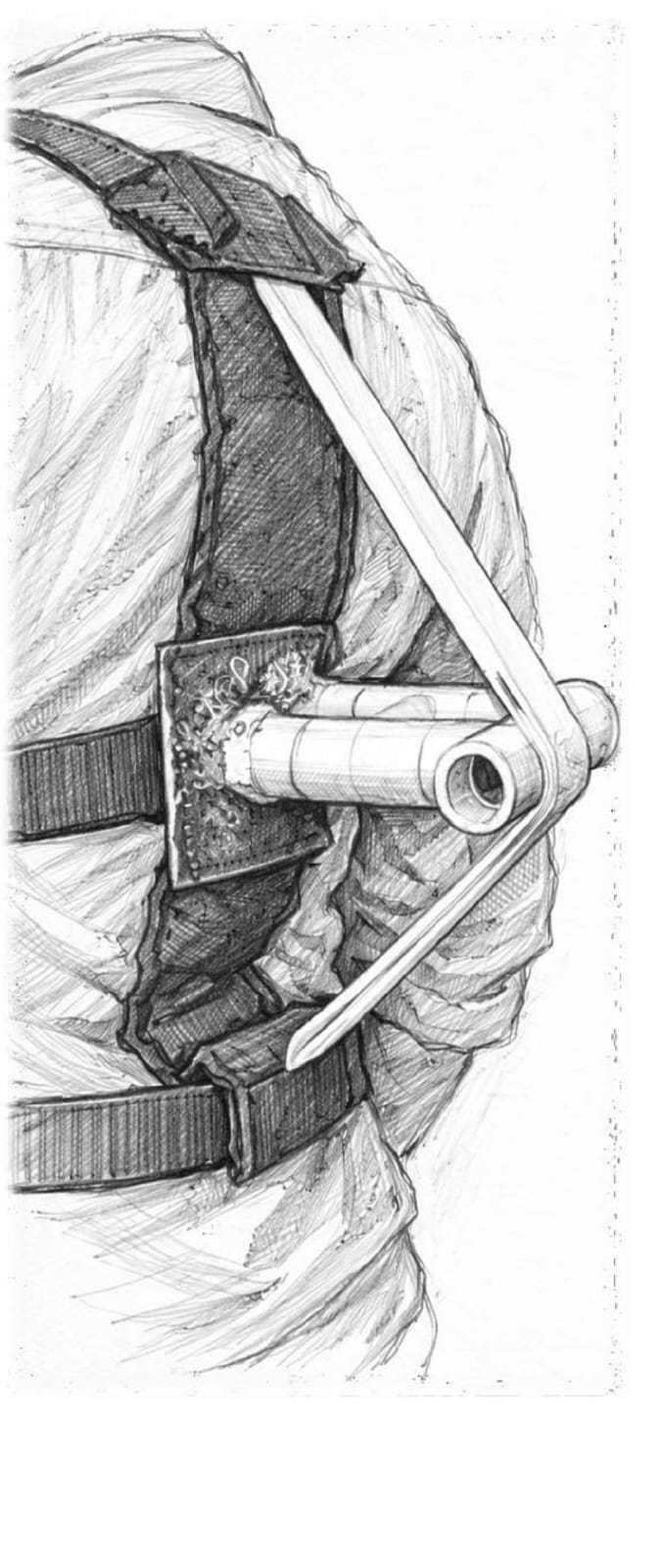
Inspired by human-assisted weightlifting — now mechanical and wearable.

Add design / concept sketch here FlexOppor Design

The Inspiration

"Gym trainers assist weightlifting by providing slight support that reduces effort. FlexOppor acts as the same mechanical spotter — but wearable."
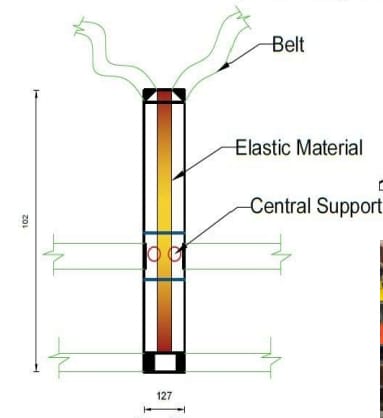
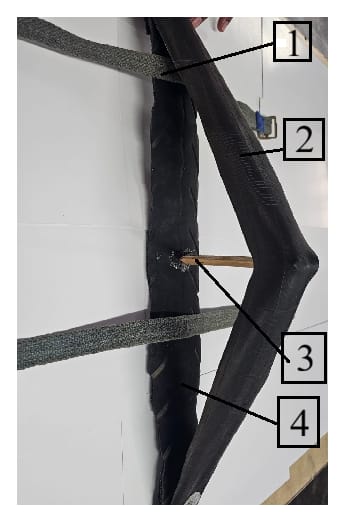
Belt — Secure base attachment around the waist
Elastic Material — Core energy storage & release element
Central Support — Spinal alignment guide frame
Adjustable Structure — Height & lateral adjustment for all sizes

Product Evolution

Three design iterations from concept to refined prototype.

Version 1 · Dec 2025

Proof of Concept

  • Fixing strips for body attachment
  • Waste cycle tube for resistance
  • Car tyre back support pad
  • Bamboo central support frame
Version 2 · Jan 2026

Refined Materials

  • Improved fixing strips
  • Fixed elastic material for tension
  • Flexible comfort pad
  • PVC structural support
Version 3 · Mar 2026

Adjustable Final Design

  • Adjustable elastic material tension
  • Ergonomic resting pad
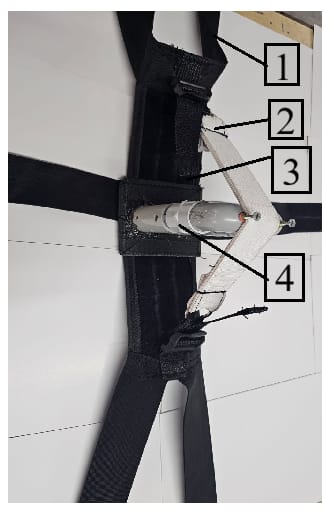
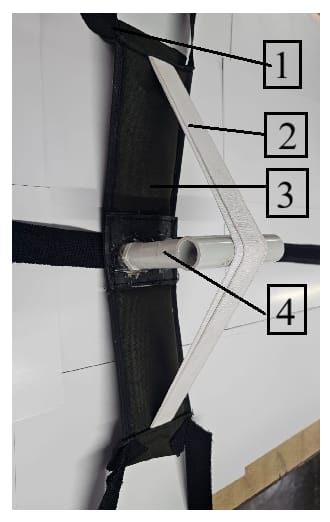
  • Flexible central support
  • Height & lateral adjustment system
Adjustable Center Adjustable Height Resists Forward Motion Assists Lifting

Impact Analysis

Results from on-site worker trials and ergonomic assessments.

40%
Reduction in spinal load
25%
Increase in daily productivity
Strong worker agreement on usefulness
Significant back pain reduction
"It feels like someone is holding my back when I lift. I feel less tired at end of day."
— Sunita, Brick Carrier · Site Trial
Covers mixing mortar, loading/unloading, carrying materials, and all bending & lifting activities common to construction sites.
— Impact Scope Summary

Feasibility

Technically passive, economically accessible, and socially scalable.

Total Estimated Cost

₹650
Structural frame₹200
Elastic mechanism₹150
Straps & fixings₹100
Assembly & misc.₹200
Completely passive — zero electronics
Lightweight at ~370g
Easy to wear — like a backpack
Locally available materials
No special tools for manufacture
Repairable & reusable design

Technical Performance

Validated metrics from prototype tests.

Weight
~370g ✅
Adjustable
Yes ✅
Reduces Strain
Yes ✅
Cost-Effective
Yes ✅
Sustainable
Yes ✅

Sustainability

Built from waste, designed to last.

♻️

Waste Materials

Uses waste plastic, old fabrics, and repurposed elastic materials — turning industrial scrap into a life-improving device.

🛠️

User-Repairable

Simple components can be fixed or replaced by workers themselves — no specialist needed.

📍

Locally Manufacturable

All materials are available at local hardware shops. Any community can build this without a factory.

🌱

Low Carbon Footprint

No electrical components, no imported parts, handmade production keeps the carbon footprint near zero.

Meet the Team

The minds behind FlexOppor.

Add photo here Bavadharani R V

Bavadharani R V

23CER005

B.E. Civil Engineering

Add photo here Gowsikan K

Gowsikan K

23CER011

B.E. Civil Engineering

Add photo here Santhiesh V

Santhiesh V

23CER042

B.E. Civil Engineering

Add photo here Vedhavyas GK

Vedhavyas GK

23CER057

B.E. Civil Engineering

Mentor photo Mr. S. Venkatachalam

Mr. S. Venkatachalam

AP/CIVIL — Project Mentor

Department of Civil Engineering
Providing expert guidance throughout the project's design, testing, and documentation phases.

References

Ergonomic and biomechanical research papers on spinal loading
Studies on passive back-support exoskeleton devices
Clinical posture analysis research for occupational workers